Featuring Photos taken by SPECTRUM Photographers Yona Al-Tahir and Gail Teope
Did you know that the start of Autumn is defined by the equinox, around September 22nd? Equinox occurs twice yearly in the Northern Hemisphere, marking the point when day and night are around the same length as determined by the Earth’s orbit around the sun.
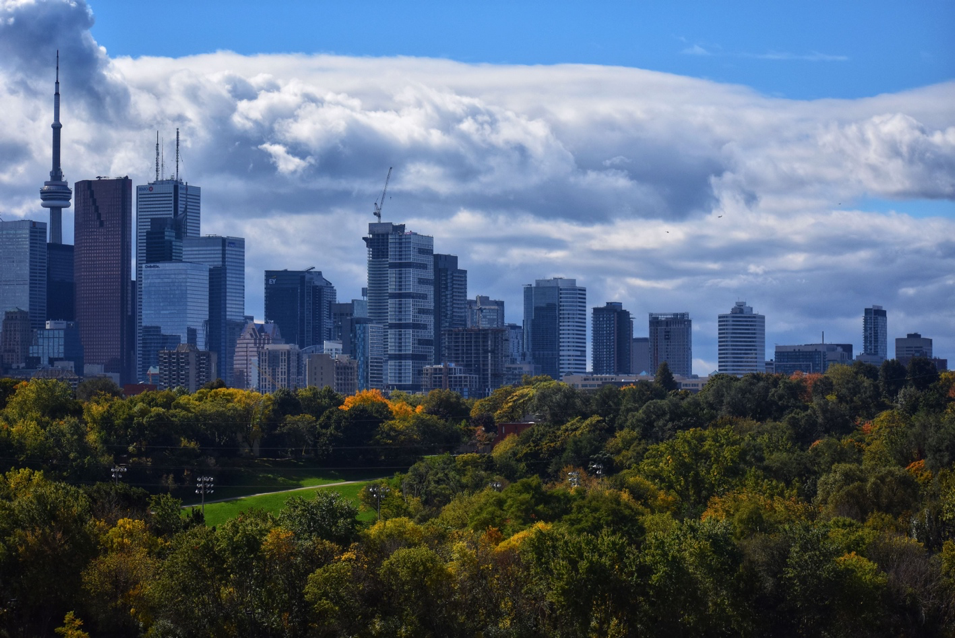
Photo by: Gail Teope
Chlorophyll is the chemical responsible for the green pigment we see in leaves. During the Fall, chemicals such as Flavonoids and Carotenoids become responsible for the vibrant colours we see before deciduous trees lose their leaves as the days get colder and shorter.

Photo by: Gail Teope
There is a defined ‘meteorological Autumn’ that begins earlier than the Equinox. Why? Since the equinox does not always fall on the exact same date every year, a day had to be chosen for the purpose of accurately comparing climate data over the years. September 1st was chosen as meteorological Autumn for better climate comparisons over time.

Photo by: Gail Teope
Some trees do not shed their leaves in the Fall, including Evergreen. These trees only ever shed their oldest leaves, never completely losing their foliage. They are able to do this during the cold Canadian winters since their leaves are tight thin needles that allow them to conserve water needed for photosynthesis.

Photo by: Yona Al-Tahir
Since leaves changing colour is effected by temperature, some studies have suggested that climate change has delayed the colour shift in leaves already, showing that fall colours in some types of trees happen five days later than they did 23 years ago.

Photo by: Gail Teope
Sources
http://mentalfloss.com/article/72975/why-do-some-trees-keep-their-leaves-winter
https://www.metoffice.gov.uk/learning/seasons/autumn/autumn-facts
https://www.rd.com/culture/autumn-facts-fall-facts/
Want to contribute as a photographer or writer for SPECTRUM? Email spectrum@myepsa.ca